How to Drive a Jet Ski Safely: Step-by-Step for First-Timers
Published August 18, 2026
The first time you grip the handlebars of a jet ski, your instinct may be to hit the throttle and see what happens. Resist it. Knowing how to drive a jet ski safely comes down to a few habits that keep you upright and everyone around you safe.
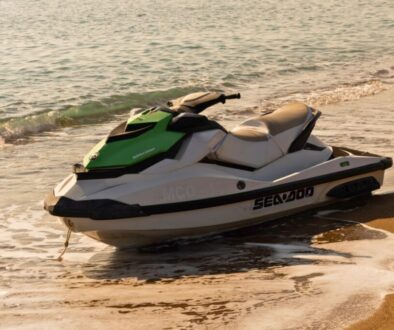
Jet skis, or personal watercraft (PWC), are quick to learn but easy to underestimate. They accelerate rapidly, do not stop like a car, and most jet-drive PWCs need engine thrust to maintain steering control. Some models have brakes or reverse systems that change how they behave. Learn the controls on your specific machine before leaving the dock.
Here’s what to check before launch, how to drive step by step, and what Texas riders need to know before twisting the throttle.
What to Know Before Driving a Jet Ski
A few minutes of preparation before starting the engine can prevent problems once you’re on the water.
Know the Controls
Every PWC has a throttle and handlebars that steer by redirecting the jet of water rather than turning a rudder. Many also have an engine cut-off switch (ECOS), while some models include brake or reverse functions. Locate and understand these controls before you launch.
The most important handling point for a new rider is that conventional jet-drive PWCs need thrust to maintain effective steering. If you release the throttle completely, the craft continues to glide but gradually loses steering as it slows. New riders sometimes let off the throttle when they need to turn, leaving them with less control at the wrong moment.
Put on Your Safety Gear
A U.S. Coast Guard-approved wearable personal flotation device (PFD) is essential, and inflatable PFDs are not approved for PWC use. Wear it for the entire ride, along with secure footwear and eye protection from spray. A wetsuit or other protective clothing may also be appropriate in colder water.
If the PWC is equipped with an engine cut-off switch (ECOS), attach the lanyard or other required device to yourself, your clothing, or your PFD as specified for that system before operating. The ECOS is designed to shut off the engine if the operator becomes separated from the craft.
Listen to the Safety Briefing
If you’re renting, pay attention to the dock briefing. It should cover the specific machine you’re using, including throttle sensitivity, steering, brake or reverse controls, and reboarding procedures. The operator should also explain local rules, such as no-wake areas and restricted zones.
Ask questions before you leave if anything is unclear. A few minutes on the dock is easier than trying to figure out an unfamiliar control while moving.
How to Drive a Jet Ski: Step-by-Step
Once you know the controls and you’re properly geared up, start with these five steps.
1. Start the Jet Ski
Sit down with both feet planted in the footwells. Attach the engine cut-off lanyard or other required device as instructed for your PWC, then start the engine. Most machines idle on their own, so there’s no need to touch the throttle immediately.
Before moving, make sure the area around you is clear.
2. Get Moving Slowly
Ease into the throttle gradually rather than squeezing it all at once. Stay at a slow, controlled speed while you move away from docks, swimmers, shallow water, and other traffic.
A slow, controlled speed is best for initial practice. If conditions allow, around 5 to 10 mph may give a beginner enough movement to practice the controls without immediately building significant speed, but there’s no universal beginner speed. Adjust your speed to the waterway, traffic, visibility, and local rules. The goal at this stage is control, not acceleration.
3. Practice Steering
Once you’re in open water, get a feel for how the PWC responds. Turn the handlebars smoothly and use light, steady throttle rather than making abrupt inputs.
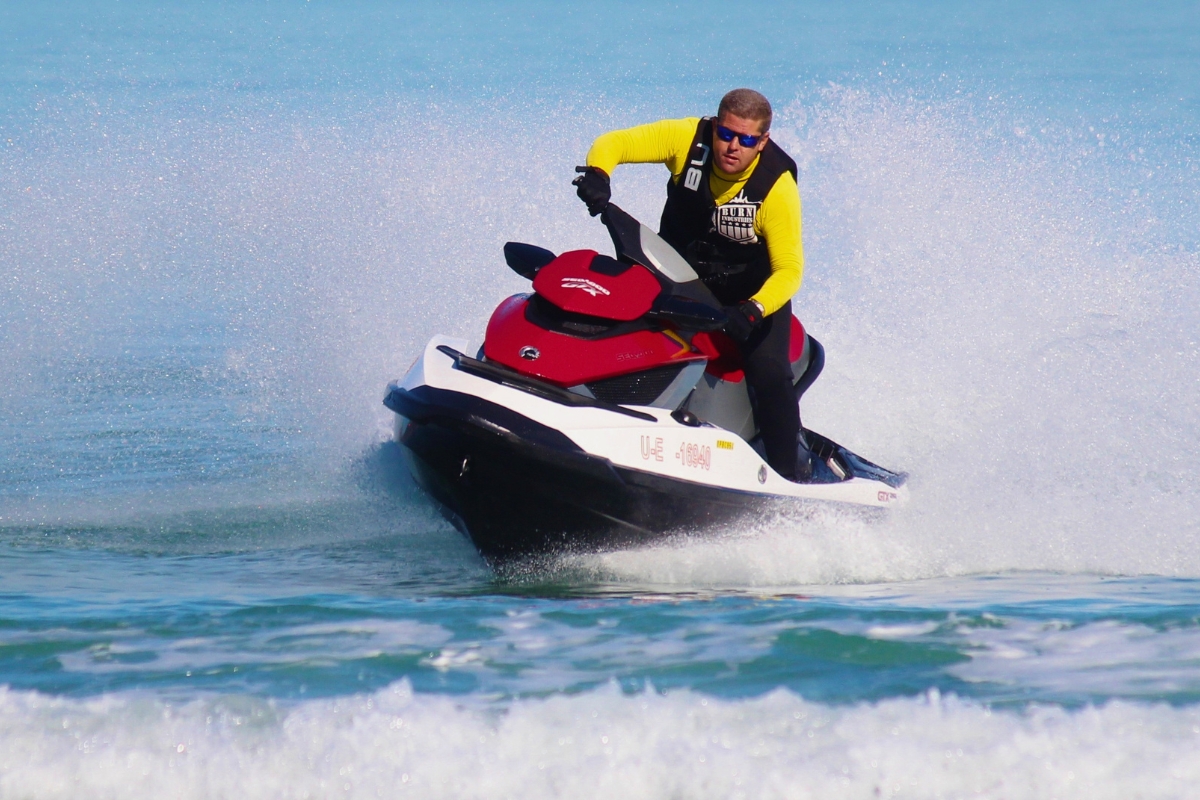
Your body position matters too. Lean naturally with the PWC through a turn to help maintain balance and control, particularly as you increase speed. Practice wide turns first, then gradually work on tighter turns once the machine feels predictable.
4. Learn to Slow Down and Stop
A PWC doesn’t stop the way a car does. On a conventional jet-drive model, releasing the throttle reduces thrust, but the craft continues to glide and gradually loses steering authority.
Give yourself plenty of stopping and maneuvering room near docks, swimmers, shorelines, or other watercraft. If your PWC has a brake or reverse system, learn exactly how it works before relying on it.
5. Increase Your Speed Gradually
Once slow-speed handling feels natural and the water ahead is clear, increase the throttle in stages rather than jumping straight to full speed.
As speed rises, you have less time to react and mistakes become harder to correct. Build up only as quickly as your control and the surrounding conditions allow.
How to Ride a Jet Ski Safely
Operating the machine is one skill. Managing your speed, position, and awareness around other people is another.
Keep a Safe Distance
Give other jet skis, boats, swimmers, and fixed structures such as docks and buoys plenty of room. A PWC can cover a surprising amount of water in a few seconds, so don’t wait until you’re close to decide what you’re going to do.
Near people or obstacles, slow down early and leave yourself enough room to maneuver.
Watch Your Surroundings
Check behind you and to both sides regularly, not just straight ahead. Other riders, boats, and swimmers can move into your path quickly, particularly around beaches, busy bays, and launch areas.
If you’re carrying a passenger, have them help keep watch, but don’t treat them as a substitute for your own observation.
Follow Local Boating Rules
Personal watercraft are vessels, so operators must follow applicable boating and navigation rules, including right-of-way requirements and local speed or wake restrictions. Rules can vary by waterway, so check the requirements before riding somewhere unfamiliar.
For Texas riders, PWC operators must also follow specific operating restrictions. A PWC may not be operated between sunset and sunrise. Within 50 feet of another PWC, motorboat, vessel, person, platform, object, or shore, it must be operated only at headway speed without creating a swell or wake. Texas also prohibits jumping another vessel’s wake recklessly or unnecessarily close to that vessel.
What to Do If You Fall Off a Jet Ski
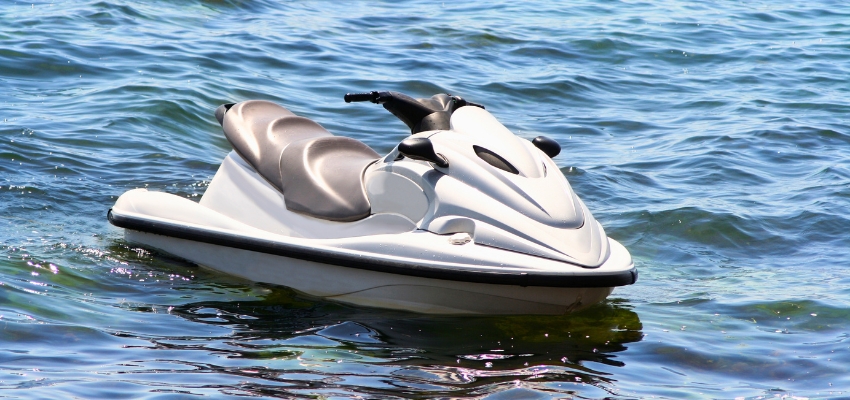
If you fall off while learning, knowing what to do next matters. Keep calm, stay with the PWC when possible, and follow the manufacturer’s reboarding instructions.
Stay Calm and Stay With the PWC
If the PWC is equipped with a lanyard-type engine cut-off switch, the system is designed to stop the engine when the operator separates from the craft. If conditions are safe, stay near the PWC rather than immediately swimming toward shore.
The machine is larger and easier to spot than a person in the water, and staying with it can make it easier for others to locate you.
Reboard Safely
Use the boarding platform and handles to reboard according to the manufacturer’s instructions. On models designed for rear boarding, use the boarding platform and designated handles rather than trying to climb over the side.
If the PWC has capsized, follow the manufacturer’s instructions for righting it, since the correct procedure can vary by model. Once you’re safely back aboard, reattach the engine cut-off lanyard or other required device before restarting the engine.
Common Jet Ski Mistakes First-Timers Should Avoid
Several mistakes are especially easy for new riders to make. Gunning the throttle before learning its sensitivity is one of them. Others include riding too close to watercraft, swimmers, docks, or shorelines; releasing the throttle in the middle of a turn; and carrying more people or weight than the PWC is rated for.
Passengers should remain seated as instructed and keep their feet inside the footwells rather than dangling them in the water. Skipping a life jacket is another avoidable risk.
Wake riding also requires care. Slow down when approaching another vessel’s wake and cross it in a controlled manner appropriate to the conditions and your experience. In Texas, reckless or unnecessarily close wake jumping is prohibited.
Jet Ski Rules for Riders in Texas
If you’re riding Texas waters, including the bays and Gulf coastline around South Padre Island, state-specific requirements apply in addition to general PWC safety practices.
PFD and Safety Requirements
Every person on a PWC in Texas must wear a U.S. Coast Guard-approved wearable PFD. Inflatable PFDs are not approved for PWC use. If the PWC is equipped with an engine cut-off switch, lanyard, or wireless device, the required device must be attached to the operator, the operator’s clothing, or the operator’s PFD and used while the PWC is underway. Texas also requires PWC registration and other required safety equipment.
Boater Education Requirements
Texas bases its mandatory boater education requirement partly on birth date. Anyone born on or after September 1, 1993 who operates a PWC must meet the state’s boater education requirement. Operators subject to the requirement must carry proof of certification and appropriate identification.
A person must be at least 13 to operate a PWC. Anyone under 13 may not operate one unless accompanied onboard by someone at least 18 years old who is legally authorized to operate it. Operators who are 13 or older and subject to the education requirement must also satisfy the applicable certification or supervision requirements under Texas law.
If you’re renting, don’t assume the rental company’s safety briefing replaces the state’s education requirement. Eligible renters must meet the applicable boater education requirements before operating a PWC. TPWD also states that vessel liveries must explain applicable boating laws and how to operate the vessel.
Frequently Asked Questions
Is it hard to drive a jet ski for the first time?
The controls are straightforward, but acceleration, steering, and stopping feel different from driving a car or motorcycle. Many beginners can learn the basics with a short period of slow-speed practice, provided conditions are suitable and they follow the safety briefing.
How do you ride a jet ski for the first time?
Start at low speed in a clear area away from docks, swimmers, and other traffic. Practice accelerating, turning, slowing, and stopping before increasing your speed. Keep the engine cut-off lanyard or other required device attached throughout the ride.
Do you need to keep the throttle on to steer a jet ski?
On a conventional jet-drive PWC, you need engine thrust to maintain effective steering. Release the throttle completely and the craft continues to glide while steering authority decreases as it slows. Models with brake or reverse systems may behave differently, so learn the controls for your specific PWC before riding.
How fast should a beginner go on a jet ski?
Stay at a slow, controlled speed while learning the controls. Around 5 to 10 mph may be a useful starting range for initial practice when conditions and local rules allow, but there is no universal beginner speed. Increase gradually as your steering, stopping, and situational awareness improve.
Can two people ride on a jet ski?
Many jet skis are designed for two or three riders, depending on the model’s seating and weight capacity. Always follow the manufacturer’s capacity rating. Passengers should sit where instructed and keep their feet inside the footwells while underway.
Do you need a license to drive a jet ski in Texas?
Texas does not issue a specific “jet ski license,” but eligible PWC operators must meet the state’s boater education requirements. Anyone born on or after September 1, 1993 who operates a PWC must meet those requirements, subject to applicable exceptions. Operators must also carry the required proof of education and identification. A person must be at least 13 to operate a PWC, with additional supervision and education requirements applying where required by Texas law.
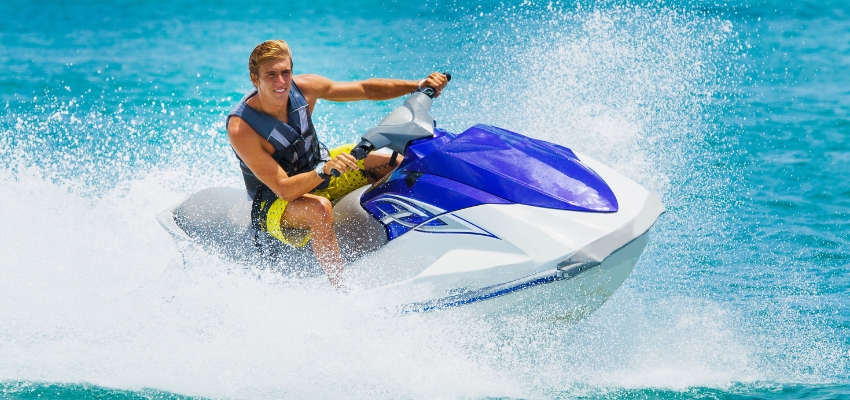
Drive Your First Jet Ski With Confidence
Learning how to drive a jet ski safely comes down to a few practical habits: know the controls, wear the right safety gear, start slowly, leave yourself room to maneuver, and stay alert to what’s happening around you.
Your first ride should be about learning how the PWC responds, not seeing how fast it can go. Once those basics feel natural, you’ll have a better foundation for enjoying the water safely and responsibly.
If you’re planning a ride on South Padre Island, SPI Excursions has more guides and resources to help you prepare before you head out on the water.
Experience the Thrill of Adventure on South Padre Island!
South Padre Island is a haven for thrill-seekers, nature lovers, and anyone looking to make the most of a coastal getaway. At SPI Excursions, we’re committed to making your South Padre Island getaway unforgettable. Whether you’re soaring high above the water while parasailing, feeling the thrill of a jet ski ride, or simply soaking in the beauty of the island, we offer experiences tailored to your sense of adventure. Book with us today and discover why SPI Excursions is your ultimate destination for fun, excitement, and lasting memories.

This Content Has Been Reviewed For Factual Accuracy
The information presented here has been meticulously checked by our internal experts. To learn more about our rigorous editorial process, you can click here.

About The Author
I’m Corinne Grace, a dedicated writer for SPI Excursions. I craft engaging articles to help you make the most of your South Padre Island adventure. With a deep passion for water sports and exploration, I aim to provide you with accurate and exciting information about parasailing, jet ski rentals, and unforgettable experiences on the water.