How High is Parasailing? Heights, Views & Safety Facts
Published October 13, 2026
Planning to parasail over South Padre Island but unsure how far above the water you’ll be? The advertised towline length can make the height seem intimidating, especially if you’re a first-time flyer. Knowing how high is parasailing, what those measurements mean, and which safety precautions matter can help know what to expect before booking.
Recreational parasailing flights can take passengers several hundred feet above the water. The actual altitude varies by operator, equipment, towing setup, and conditions, so no height is guaranteed. Towline strength differs from vertical flight height, so measurements on a booking page may not tell the whole story.
How High Is Parasailing on a Typical Flight?
Most parasailing flights take passengers several hundred feet above the water. The exact altitude depends on the operator, equipment, towing setup, and conditions. Treat any advertised height as an estimate, not a guarantee.
In the United States, the Federal Aviation Administration’s (FAA) parasail operating guidance sets a limit. Parasails must not operate more than 500 feet above the surface. The exception is when an applicable waiver or authorization permits otherwise. The guidance also addresses cloud clearance, ground visibility, and proximity to airports.
Before booking, confirm whether the advertised measurement refers to towline length or estimated flight height.
How High Do You Go With a 600- or 800-Foot Towline?
A 600-foot or 800-foot towline doesn’t automatically put a parasailer that far above the water. These figures describe the line’s length, not the passenger’s vertical altitude.
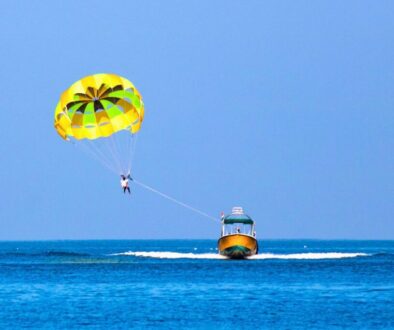
As the boat moves forward, the parasail catches the wind and lifts the passenger. The towline extends at an angle, so its full length doesn’t equal vertical height.
The actual altitude depends on the towing setup, parasail position, and conditions. Towline length alone isn’t enough to calculate a passenger’s height reliability.
When comparing packages, ask whether the advertised measurement refers to towline length or estimated flight height. This helps you compare options without assuming a longer line guarantees a higher flight.
What Can You See While Parasailing at 300-500 Feet?
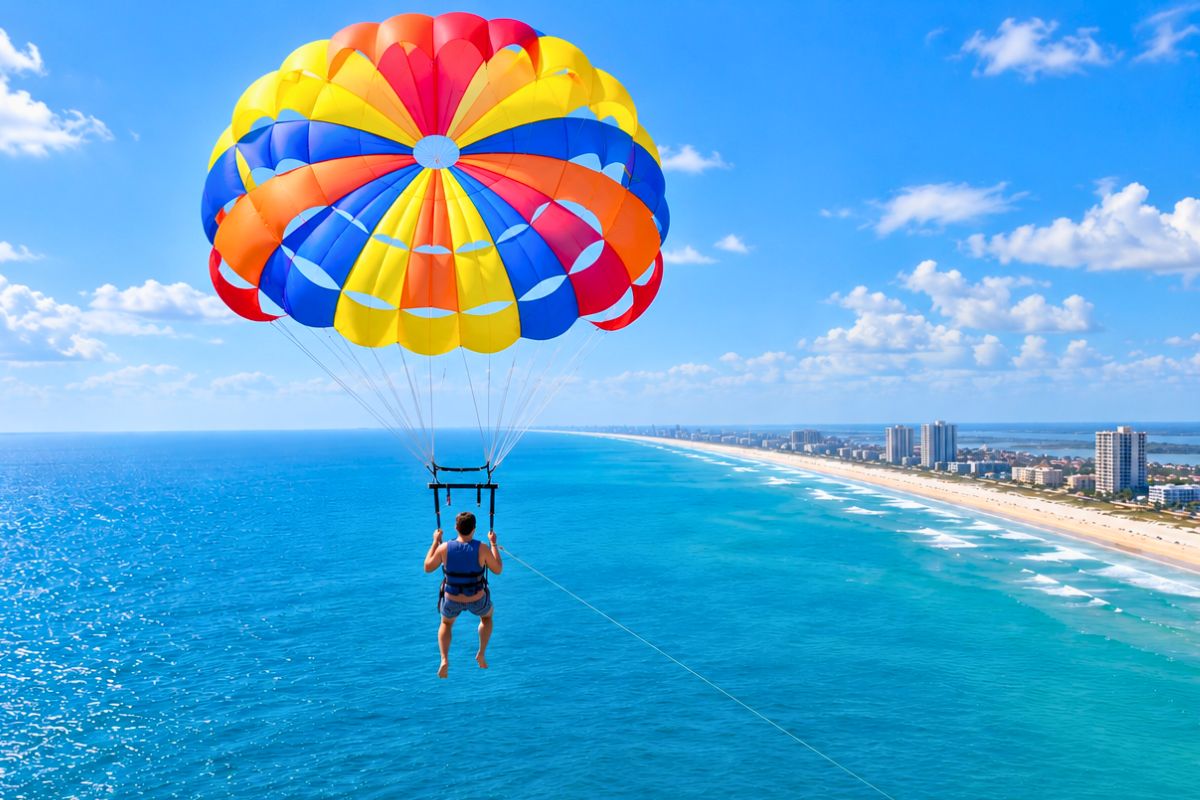
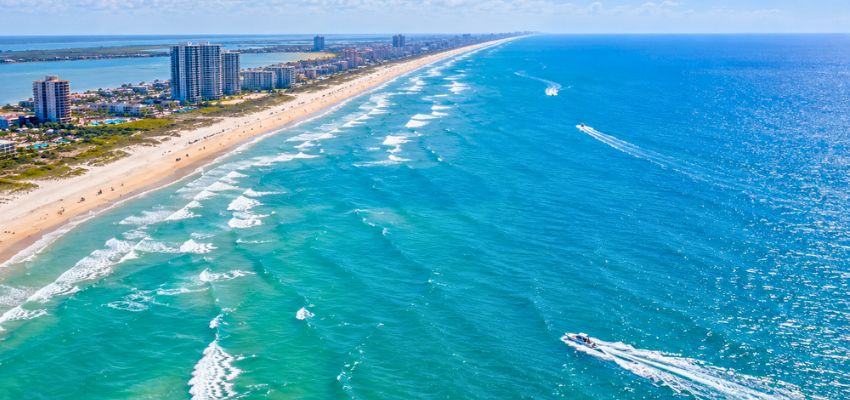
From several hundred feet above the water, parasailing gives you a broader view of the coastline than from the beach. You may see sandy shoreline stretches, boats crossing the Gulf of Mexico, and water patterns hard to notice from sea level.
For visitors to South Padre Island, the view depends on flight location, direction, and visibility that day. Clear conditions make distant features easier to see, while haze and clouds may limit the panorama.
Does Flying Higher Give You Better Views?
A higher flight can reveal more of the surrounding landscape, but greater altitude doesn’t guarantee a better view. Visibility, sunlight, and position relative to the shoreline all influence what you see.
Some passengers prefer a wide panorama, while others feel more comfortable at a lower altitude. Ask the operator which flight options are available. Keep in mind the actual flight profile depends on conditions and safety requirements.
What Affects How High You Go When Parasailing?
Several factors determine your flight altitude. These include equipment, towing setup, wind, weather, passenger load, and any operating restrictions. Together, they shape the flight profile the operator can use and whether conditions are safe for departure.
Towline Length and Equipment
Towline length affects the available flight setup but doesn’t determine altitude alone. The parasail’s design, towing system, line angle, and equipment limits all influence how the flight is conducted.
Operators must use equipment appropriate for passenger load and conditions. When comparing packages, check what the advertised measurement refers to. Some list towline length, others estimate height above the water. These aren’t the same.
Wind and Weather Conditions
Wind helps a parasail generate lift, but conditions must remain suitable for the equipment and operation. Strong or changing winds, poor visibility, and storms can affect the flight plan.
An operator may adjust the plan, delay departure, or cancel a trip when conditions are unsuitable. Check the forecast before your South Padre Island excursion. On the day, defer to the operator’s assessment, as conditions can change quickly.
Passenger Weight and Number of Flyers
Passenger weight and number of people flying together can affect equipment selection and operating decisions. Operators consider the combined load alongside equipment specifications and conditions.
Before booking, confirm the operator’s weight requirements, age restrictions, and rules for flying together. These vary by operator, so don’t assume another company’s limits apply to your trip.
Is Parasailing Safe at 300–500 Feet?
Being hundreds of feet above open water can feel intimidating, especially if you have never tried parasailing. The relevant question isn’t just how high you’ll fly, but how the operator manages equipment, weather, and the flight itself.
In the United States, the FAA’s parasail operating guidance addresses altitude, cloud clearance, ground visibility, and proximity to airports. Applicable waivers or authorizations may permit certain operations outside these restrictions. Compliance with aviation requirements doesn’t, by itself, guarantee that an individual flight is safe.
Before booking, ask the operator how it assesses weather, checks equipment, and briefs passengers. Clear answers help you understand an operator’s procedures. However, they cannot confirm that every aspect of the operation meets all applicable safety requirements.
What Safety Measures Should a Parasailing Operator Follow?
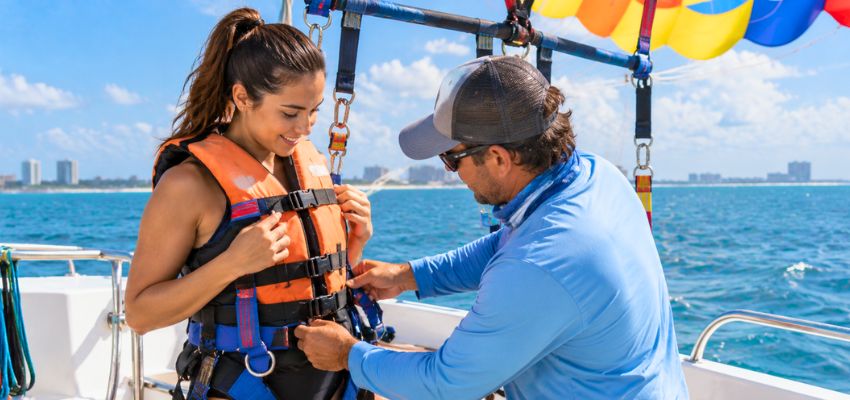
Before departure, the operator should explain the flight procedures. They should also use equipment that’s appropriate for the operation. As a prospective passenger, ask:
- Equipment checks: How are the towline, harnesses, and connections checked before use?
- Harness fitting: Who confirms that your harness is fitted and secured correctly?
- Safety equipment: What life jackets and other required equipment are provided?
- Weather decisions: What conditions would lead to a delay or cancellation?
- Passenger briefing: What instructions will you receive before takeoff and landing?
- Operating requirements: Which aviation, boating, and local requirements apply to the operation?
The FAA oversees parasailing activities in navigable airspace. However, it doesn’t regulate the safety of the towing vessel or parasail rigging. The U.S. Coast Guard has responsibilities for qualifying passenger vessels, but this vessel oversight doesn’t guarantee that parasailing equipment or the flight itself is safe.
These questions can help you understand the operator’s procedures, but they don’t replace regulatory oversight or an independent safety assessment. Follow the crew’s instructions, and don’t feel pressured to proceed if your concerns aren’t adequately addressed.
Frequently Asked Questions
Is parasailing 500 feet above the water?
Some parasailing flights reach around 500 feet, but altitude varies by operator and conditions. Under US rules, parasails generally cannot fly higher than 500 feet above the surface. A waiver or authorization is required to exceed this limit.
Is a 600-foot parasailing ride 600 feet in the air?
No. A 600-foot measurement may refer to towline length rather than vertical altitude. The line’s angle and the parasail’s position affect how high the passenger is above the water.
Can you control how high you go when parasailing?
Passengers generally don’t control their own altitude. The operator manages the flight according to the equipment, passenger load, weather, and applicable restrictions. Ask about available options before booking, but don’t assume a particular height can be guaranteed.
Does parasailing feel higher than it actually is?
It can feel that way, particularly for first-time flyers or people who are uncomfortable with heights. Reactions vary, so discuss your concerns with the operator before deciding whether to participate.
Does bad weather affect parasailing height?
Yes. Wind, visibility, and changing weather can affect the flight plan or lead to a delay or cancellation. Operators should prioritize suitable conditions over reaching a particular altitude and follow applicable operating requirements.
How long do you stay in the air while parasailing?
Flight time varies by operator and package. Check the advertised time in the air and distinguish it from the full excursion, which may include boat travel, preparation, and other passengers’ flights.
Experience Parasailing in South Padre Island
Ready to see South Padre Island from a whole new perspective? Before booking your parasailing trip, confirm the advertised flight details, passenger requirements, and weather cancellation policy. Ask whether the stated measurement refers to towline length or estimated altitude. Your actual height above the water will depend on the equipment and operating conditions.
Visit SPI Excursions to explore parasailing options and related resources as you plan your trip.
Experience the Thrill of Adventure on South Padre Island!
South Padre Island is a haven for thrill-seekers, nature lovers, and anyone looking to make the most of a coastal getaway. At SPI Excursions, we’re committed to making your South Padre Island getaway unforgettable. Whether you’re soaring high above the water while parasailing, feeling the thrill of a jet ski ride, or simply soaking in the beauty of the island, we offer experiences tailored to your sense of adventure. Book with us today and discover why SPI Excursions is your ultimate destination for fun, excitement, and lasting memories.
This Content Has Been Reviewed For Factual Accuracy
The information presented here has been meticulously checked by our internal experts. To learn more about our rigorous editorial process, you can click here.

About The Author
I’m Corinne Grace, a dedicated writer for SPI Excursions. I craft engaging articles to help you make the most of your South Padre Island adventure. With a deep passion for water sports and exploration, I aim to provide you with accurate and exciting information about parasailing, jet ski rentals, and unforgettable experiences on the water.