
How to Snorkel: A Beginner’s Step-by-Step Guide
Published October 27, 2026
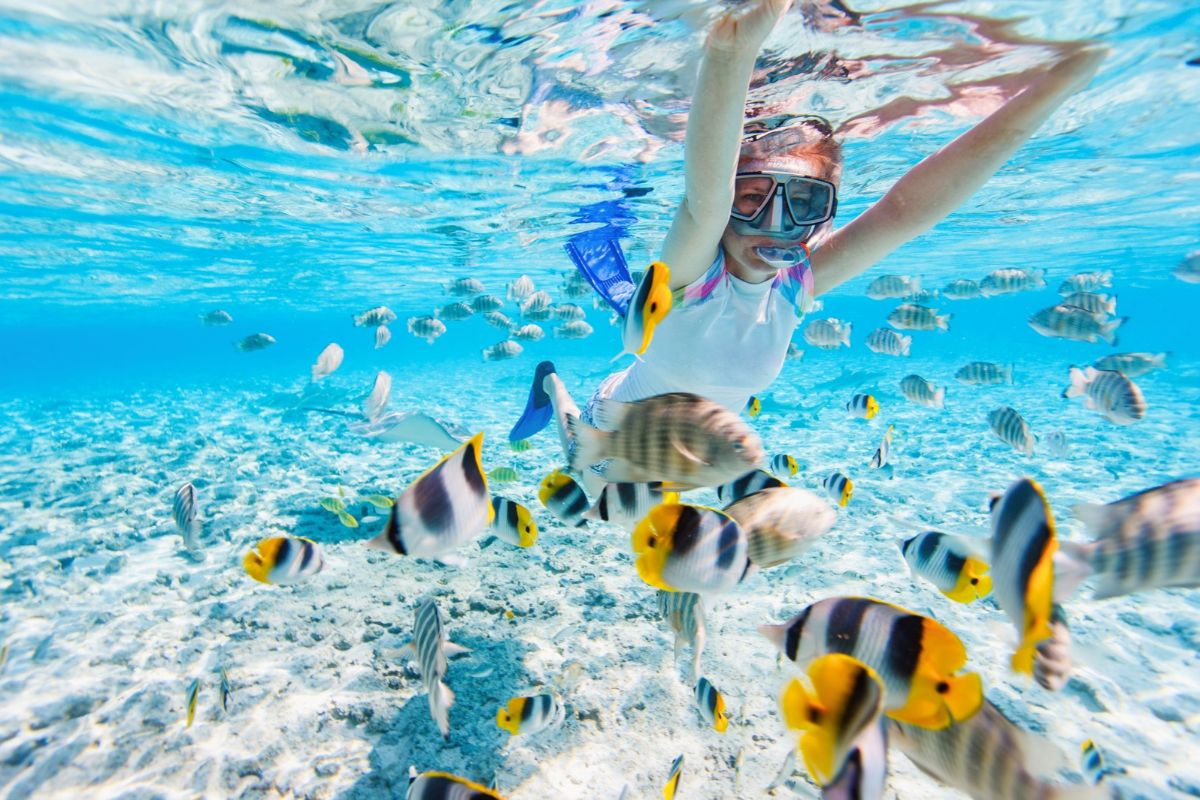
Snorkeling lets you explore underwater life without scuba equipment. With a properly fitted mask, snorkel, and some practice, you can float at the surface and observe fish, coral, and other marine life. Learning how to snorkel also means mastering comfortable breathing, efficient movement, and basic equipment troubleshooting.
Beginners may worry about mask leaks, breathing through the snorkel, or getting tired. Practicing in calm, controlled conditions helps build confidence before entering open water.
What Equipment Do You Need to Snorkel?
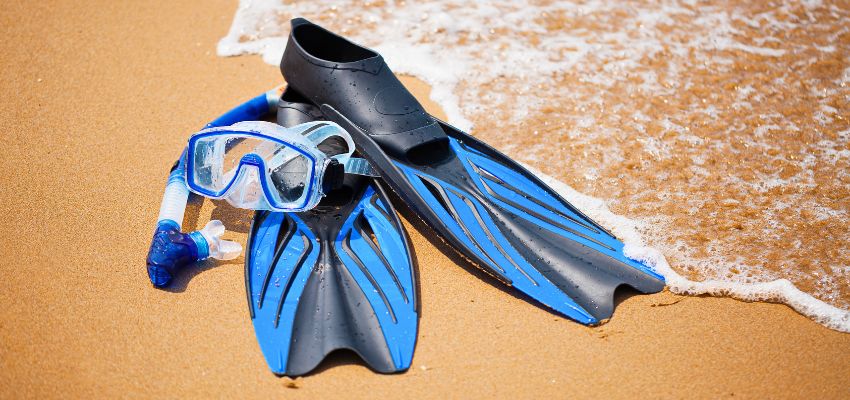
You need only a few essentials to snorkel, but they must fit properly and suit the conditions. Poorly fitted gear can affect comfort, visibility, and movement.
Snorkel Mask and Snorkel
A snorkeling mask lets you see underwater while covering your eyes and nose. Choose one that fits comfortably and seals against your face.
To test the fit, place the mask against your face without the strap and gently inhale through your nose. If it stays in place briefly, the fit may be suitable but does not guarantee a watertight seal. Keep hair clear of the seal, avoid overtightening the strap, and check for leaks during supervised practice in shallow water.
A snorkel enables you to breathe via your mouth while its opening remains above the surface. Common types include:
- Traditional snorkels: Simple tubes without a mechanism to prevent water entry.
- Semi-dry snorkels: Splash guards help reduce water entry from waves and splashes.
- Dry-top snorkels: A valve helps close the opening when submerged, limiting water entry.
Dry-top designs don’t eliminate all water-entry or breathing problems. Learn how your model works before entering open water.
Fins and Optional Flotation Gear
Fins improve propulsion, helping you move through the water with less effort. Choose a pair that fits securely without pinching or slipping.
A snorkeling vest or other flotation aid adds buoyancy. It does not replace swimming ability, supervision, or good judgment about water conditions.
Consider using a rash guard for sun protection and water footwear where appropriate. Near coral reefs or other sensitive habitats, follow local guidance on sunscreen ingredients and marine conservation. A product labeled “reef-safe” isn’t necessarily harmless to marine life.
How to Snorkel: A Step-by-Step Guide for Beginners
Learn how to snorkel by practicing one skill at a time. Start in a pool or peaceful, shallow water with appropriate supervision before attempting open water.
Step 1: Choose a Safe, Beginner-Friendly Location
Choose a designated snorkeling area with good visibility, minimal current, and manageable conditions. Sheltered water is generally more suitable for beginners than exposed shorelines.
Check the forecast, local advisories, and swimming restrictions. Calm-looking water can still conceal hazards. If unfamiliar with the location, consider joining a guided excursion. A guide can explain local conditions, safe entry and exit points, and designated boundaries.
Step 2: Fit and Test Your Snorkeling Equipment
Inspect your mask, snorkel, and fins before entering the water. Make sure the mask seals comfortably and the mouthpiece fits securely. Assemble any valves or splash guards following the manufacturer’s instructions.
Fins can make walking awkward, so put them on and remove them as needed for your entry point. Test your equipment in shallow, controlled water and fix any leaks or discomfort before swimming farther.
Step 3: Practice Breathing Through Your Snorkel
Snorkeling requires breathing through your mouth, which may feel unfamiliar at first. Take time to practice in a pool or calm, shallow water under appropriate supervision until the mouthpiece feels comfortable.
Breathe naturally. Never hyperventilate or hold your breath to stay underwater longer as either can raise your risk of losing consciousness.
If you struggle to breathe or feel panicked, stop, return to a safe breathing position, and signal your buddy or guide. Resume only when the problem has been resolved, and you feel comfortable.
Step 4: Enter the Water Slowly
Use a designated entry point and follow instructions from a lifeguard, guide, or boat crew. Enter gradually rather than jumping into unfamiliar water.
Adjust to the temperature and check that your mask and snorkel are secure before moving away. From a boat, enter only when the crew confirms it is safe. Follow their entry and exit instructions.
Step 5: Float Face Down and Breathe Steadily
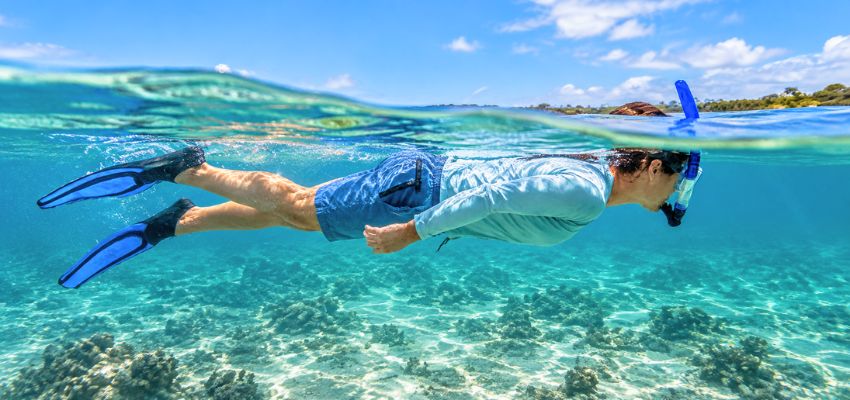
Lean forward and place your face in the water, keeping the snorkel opening above the surface. Let your body float naturally rather than pushing yourself down.
Look toward the bottom at a comfortable angle and relax your neck. Breathe steadily without forcing deep breaths or swimming continuously. Pause when needed and use flotation if you need extra support.
Step 6: Move Forward With Gentle Fin Kicks
Once comfortable floating and breathing, start kicking gently from your hips. Keep your knees relaxed and ankles flexible. Use small, controlled movements with your fins underwater. This conserves energy and avoids stirring up sediment or disturbing marine life.
Keep your hands relaxed. If tired, stop in a safe position and signal your buddy or guide rather than swimming farther.
Step 7: Explore While Staying Aware of Your Surroundings
Look for fish, coral, and other marine life while staying aware of your location and group. Check your position relative to shore or boat, remain within the designated area, and stay with your buddy or guide. Currents can make returning more difficult than expected.
Avoid touching, chasing, or disturbing wildlife, and never stand on coral or grab marine organisms for support. Follow local guidance on wildlife interactions, including whether fish feeding is permitted. If you need to rest, choose a safe spot that protects both you and the habitat.
Step 8: Exit the Water Safely
Plan your exit before entering the water, including how to signal for help. As you return, watch for waves, rocks, boat traffic, and hazards. Follow crew instructions and use designated ladders or steps where available.
After exiting, remove your equipment carefully and check for cuts, discomfort, or exhaustion.
Essential Snorkeling Safety Tips for Beginners
Even confident swimmers can face fatigue, currents, and equipment problems. Follow basic safety practices throughout your session instead of relying on equipment alone.
Snorkel With a Buddy or Qualified Guide
Never snorkel alone. Agree on hand signals, including one for requesting help, and keep your buddy in sight.
Beginners may benefit from a qualified guide who can explain local hazards, equipment use, and emergency procedures. Follow instructions and stay within the designated area. Guided trips still involve open-water risks so choose one suited to your swimming ability and comfort level.
Check Weather, Currents, and Water Conditions
Check local conditions before entering the water. Strong currents, breaking waves, poor visibility, and boat traffic can make snorkeling dangerous. Postpone your session if conditions are unsafe.
Follow warning flags, posted restrictions, and lifeguard instructions. Do not enter the water during thunderstorms, and leave the water immediately if thunder or lightning occurs. Avoid hazardous surf and other unsafe conditions. Review the American Red Cross beach safety guidance before your trip.
Use Appropriate Flotation and Sun Protection
Use a properly fitted snorkeling flotation device if you need extra buoyancy, following its instructions. It does not replace swimming ability, supervision, or safe water conditions. If you cannot swim confidently or manage conditions, don’t assume flotation gear makes open-water snorkeling safe.
Wear a rash guard or other sun-protective clothing and apply sunscreen as directed. Reapply according to the label, especially after swimming. Near sensitive marine habitats, follow local guidance on sunscreen and responsible recreation.
Recognize When to Stop Snorkeling
Stop if you experience unusual breathlessness, dizziness, cramping, panic, or significant fatigue. Signal your buddy or guide and seek help instead of swimming farther.
Never hyperventilate or take repeated rapid, deep breaths before holding your breath underwater. This delays the urge to breathe while oxygen levels fall, increasing the risk of losing consciousness. Don’t test how long you can hold your breath while snorkeling.
Common Snorkeling Problems and How to Fix Them
Practice handling common equipment problems in a controlled setting so you know when to seek help in the water.
How to Handle Water Inside Your Mask
If water enters your mask, stop and regain a stable position. Move to shallow water if safe; otherwise, use suitable flotation and signal your buddy or guide if you need help.
Once safe, check for trapped hair, a misplaced strap, or poor fit. Don’t overtighten the strap to stop leaks. Practice clearing your mask under supervision before trying the technique in open water.
How to Clear Water From Your Snorkel
Water can enter a snorkel when a wave covers its opening or the tube becomes submerged. Stop swimming and return to a safe position to breathe comfortably.
The clearing method depends on the snorkel’s design. Learn the correct technique under qualified supervision in a controlled setting instead of attempting it while panicked or struggling.
If you cannot breathe comfortably, lift your face clear of the water, remove the mouthpiece when safe, and breathe normally. Signal your buddy or guide if needed and resume only when you feel comfortable and your equipment works properly.
How to Prevent a Foggy Snorkel Mask
Fog forms when moisture condenses on the inside of the mask lens. Clean the mask as the manufacturer directs before you snorkel. Then apply a compatible anti-fog product and follow its instructions.
Avoid touching the interior of the lens after cleaning. If fog obstructs your view in the water, move to a safe position and fix it before continuing.
What to Do if You Feel Anxious or Tired
Does putting your face underwater feel uncomfortable? Practice in calm, controlled conditions first. Build confidence slowly before trying open water.
If you become anxious or tired, stop, signal your buddy or guide, and use suitable flotation if available. Return to a safe breathing position and ask for help. If distressed or unwell, end the session and leave the water safely with assistance.
Frequently Asked Questions
Do you need to know how to swim to snorkel?
Comfort in the water and appropriate swimming skills are important for open-water snorkeling. A flotation device adds buoyancy but does not remove the risk of drowning or make unsafe conditions safe.
If you can’t swim or aren’t confident in the water, don’t assume a snorkeling vest makes an ocean excursion safe. Get qualified instruction in a controlled setting. Inform the tour operator about your swimming ability before booking. Follow their participation requirements and choose an activity with proper supervision and safety arrangements.
Can you breathe underwater with a snorkel?
A standard snorkel lets you breathe through your mouth while its opening remains above the surface. It does not supply air when submerged.
Dry-top models help limit water entry but aren’t scuba equipment. If the tube becomes submerged or breathing is difficult, return to a safe surface-breathing position.
How long can a beginner snorkel?
There is no single safe duration for beginners. Comfort, fitness, equipment, water temperature, and conditions all affect how long you can snorkel safely.
Start with short sessions, take breaks before becoming exhausted, and follow your guide’s advice. Leave the water if you feel unwell or conditions change.
Is snorkeling difficult for beginners?
Most beginners can learn to snorkel with suitable equipment and supervised practice. They usually struggle with four things: breathing through the mouth, keeping the mask sealed, floating comfortably, and coordinating fin kicks.
Practice these skills separately before entering open water. You do not need to swim fast or cover long distances but should choose conditions suited to your abilities.
Can you snorkel with glasses or contact lenses?
Regular eyeglasses usually do not fit well beneath a standard snorkeling mask and may interfere with its seal. A prescription snorkeling mask is an alternative.
The Centers for Disease Control and Prevention (CDC) recommends removing contact lenses before swimming or other water activities because water exposure can increase the risk of eye infections. If you need vision correction, consider a prescription mask and consult an eye care professional. If your lenses contact water, follow CDC guidance on contact lenses and water.
What should you wear when snorkeling?
Wear comfortable swimwear, a properly fitted mask and snorkel, and fins. A rash guard or sun-protective clothing helps limit sun exposure.
In colder water, consider a wetsuit or thermal protection. Water shoes may help with some shore entries but make sure they fit your fins. Follow local requirements and your guide’s advice.

Get Ready for Your First Snorkeling Adventure
Learning how to snorkel starts with suitable conditions, properly fitted equipment, steady breathing, and controlled fin kicks. Practice gradually, stay with a buddy or qualified guide, and stop if tired, anxious, or uncomfortable. Take your time mastering the basics before venturing farther from shore.
Planning a trip to South Padre Island? Visit SPI Excursions’ North Bay Snorkeling page to review current tour details, eligibility requirements, and safety information before booking. Choose an activity suited to your swimming ability and comfort level.
Experience the Thrill of Adventure on South Padre Island!
South Padre Island is a haven for thrill-seekers, nature lovers, and anyone looking to make the most of a coastal getaway. At SPI Excursions, we’re committed to making your South Padre Island getaway unforgettable. Whether you’re soaring high above the water while parasailing, feeling the thrill of a jet ski ride, or simply soaking in the beauty of the island, we offer experiences tailored to your sense of adventure. Book with us today and discover why SPI Excursions is your ultimate destination for fun, excitement, and lasting memories.

This Content Has Been Reviewed For Factual Accuracy
The information presented here has been meticulously checked by our internal experts. To learn more about our rigorous editorial process, you can click here.

About The Author
I’m Corinne Grace, a dedicated writer for SPI Excursions. I craft engaging articles to help you make the most of your South Padre Island adventure. With a deep passion for water sports and exploration, I aim to provide you with accurate and exciting information about parasailing, jet ski rentals, and unforgettable experiences on the water.