Is Parasailing Dangerous? Risks & Safety Tips
Published September 21, 2026
Parasailing is not risk-free, and serious accidents have been documented. Key risks include towline failure, equipment malfunction, changing weather, and operational errors. Proper equipment maintenance, suitable weather, sound procedures, and following crew instructions can help reduce avoidable risks.
Is parasailing dangerous? It’s reasonable to ask before strapping into a harness and being lifted high above the water. Parasailing carries genuine risks. Weather, equipment condition, operator procedures, and participant behavior all affect how risky the activity can be.
Accidents have been documented, and organizations like the National Transportation Safety Board (NTSB) have investigated incidents to understand their causes. For anyone considering a parasailing trip in South Padre Island, understanding these risks can help put the activity into perspective. It can also make it easier to ask the right questions before booking.
Is Parasailing Dangerous?
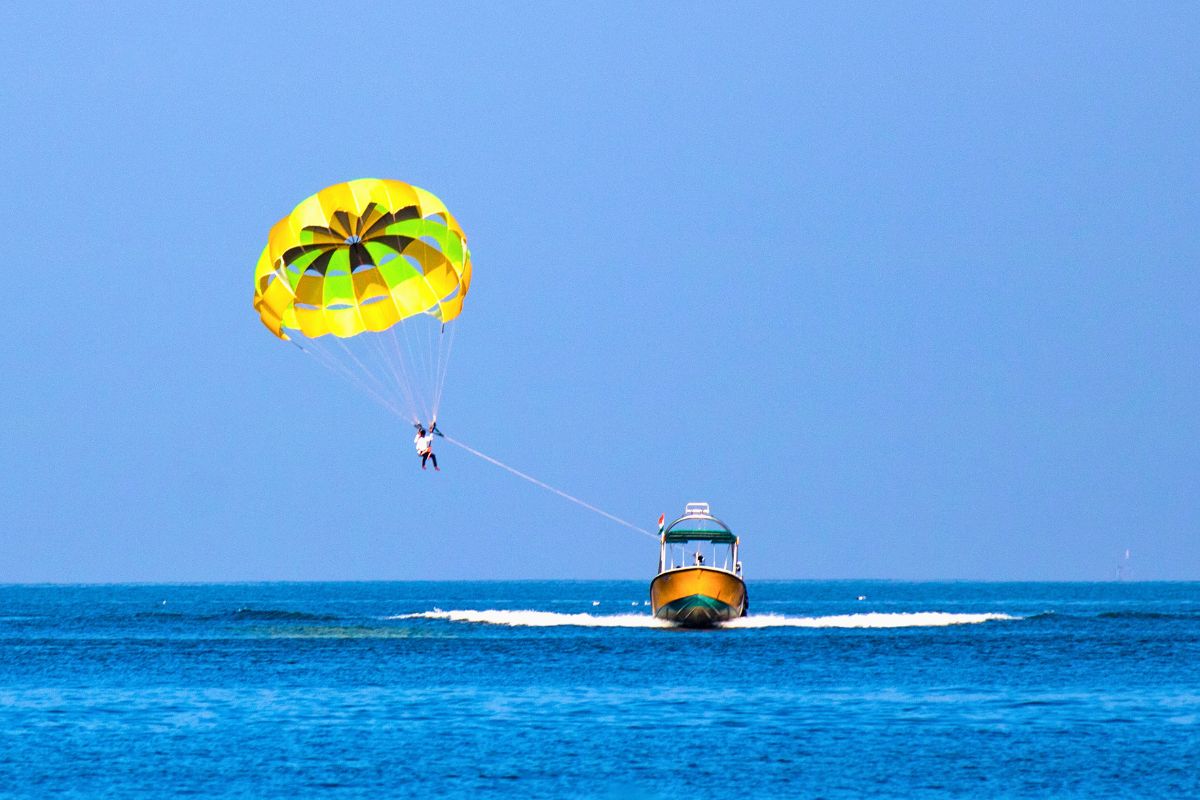
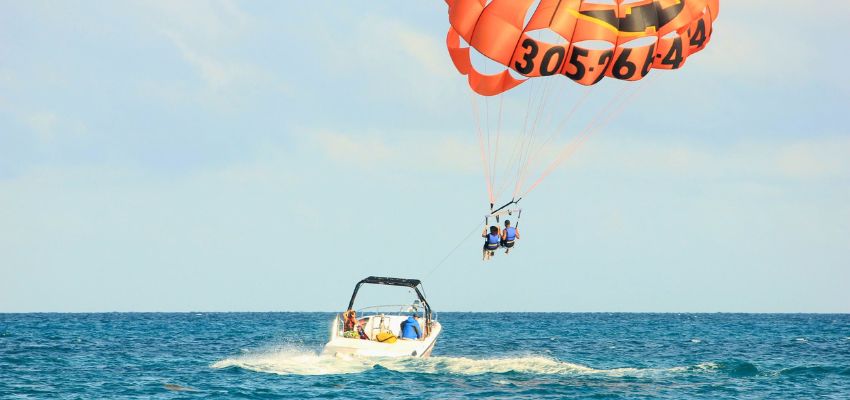
Parasailing involves real risk, but risk and likelihood are two different things. Participants are lifted by a parasail canopy, connected through a harness and attachment system, and towed behind a boat. Depending on the operation, passengers may be lifted hundreds of feet above the water.
Safety depends on several factors. These include equipment condition, weather, vessel operation, crew procedures, and participant behavior.
A well-run operation uses properly maintained equipment, monitors weather, and follows established safety procedures. These factors significantly reduce risk. Operations that skip inspections or ignore weather present much greater danger.
How Common Are Parasailing Accidents?
Reliable, current data on parasailing accident rates is limited. A frequently cited estimate from the Parasail Safety Council recorded approximately 1,800 parasailing-related injuries and fatalities over a roughly 30-year period. This figure was reported by Ratzan Weissman & Boldt in February 2023. It represents a historical estimate, not a current annual accident rate.
These estimates reflect conditions at a specific time. Participation levels, reporting practices, equipment, operating procedures, and safety practices change over time. For this reason, historical figures may not accurately reflect present-day conditions.
These figures are estimates tied to a specific source and timeframe. They shouldn’t be used as a precise measure of the risk faced by an individual passenger today.
Why Can Parasailing Accidents Be Serious?
Several risk factors can interact during a parasailing incident. A towline problem, equipment failure, or significant weather change can affect a flight while a passenger is elevated above the water. Height increases the potential consequences of an uncontrolled descent or collision.
The NTSB conducted an investigation into parasailing safety. It examined documented accidents and identified key factors linked to serious incidents. These included mechanical issues, operational errors, and towline failures.
Documented parasailing accidents can have serious consequences. Equipment failures, weather changes, and operational errors all contribute to these incidents.
What Are the Main Risks of Parasailing?
Parasailing relies on interconnected equipment, a towing vessel, and suitable environmental conditions. The main risks include:
Towline Failure
The towline connects the parasail system to the boat and transmits the forces involved in the flight. If it’s worn, damaged, improperly maintained, or otherwise compromised, it can fail during an operation.
The NTSB identified towline failure as the leading cause of injury and death in the parasailing accidents it examined. Its laboratory testing found that knots commonly used by parasailing operators could reduce the strength of tested towlines by as much as 70%, even in new rope.
The towline is central to every parasail flight. Its condition and proper maintenance are critical safety considerations.
Equipment or Mechanical Failure
Other components include the passenger harness, attachment points, winch equipment, parasail canopy, and systems on the towing vessel.
A problem with any of these components can affect the operation. For example, a winch malfunction could affect deployment or retrieval, while damage to a harness or attachment system could affect the passenger’s connection.
Regular inspection and maintenance can reduce this risk. However, no maintenance program can eliminate every possible failure.
Weather and Wind Conditions
Wind speed and direction affect the parasail throughout the flight. Sudden weather changes can make conditions unsuitable for operation. This includes approaching storms, lightning, and reduced visibility.
Weather can change quickly. Operators must monitor conditions throughout the day, not just at the time of departure.
Operator Error and Poor Safety Procedures
Human decisions can affect safety as much as equipment condition. Poor pre-flight inspections, inaccurate weather assessments, incomplete passenger briefings, and improper vessel operation can increase the risk of an incident. Each factor falls under the operator’s responsibility. Any one can contribute to an accident.
Passengers depend on the crew to evaluate conditions and equipment. These are factors that passengers cannot assess on their own.
Falls, Water Landings, and Collisions
A parasailing flight may not always go as planned. Issues like towline problems or a failed landing can result in an unexpected entry into the water.
There can also be collision hazards involving the vessel, other watercraft, or nearby structures. These are potential accident scenarios, not routine outcomes of parasailing.
What Makes Parasailing Safer?
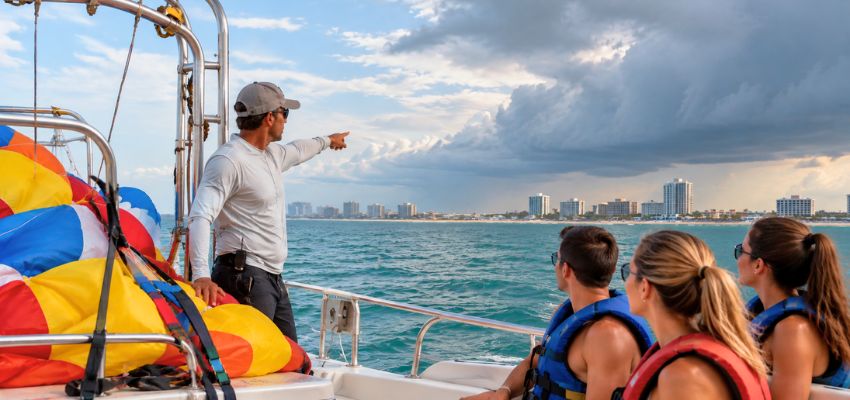
Operators control many of the technical and operational factors that affect a parasailing flight. However, passengers also play an important role. They’re expected to follow instructions and meet participation requirements.
- Properly maintained equipment. Equipment such as towlines, harnesses, attachment points, and winch systems should be regularly inspected and properly maintained. The NTSB’s parasailing investigation identified equipment-related safety concerns and made recommendations aimed at diminishing the risk of serious accidents.
- Appropriate weather conditions. Operators should assess weather before departure and monitor conditions during operations. Wind, storms, lightning, and visibility can affect whether a flight can proceed. Operators should have clear procedures for delaying or canceling trips when conditions are unsuitable.
- Trained crew and clear procedures. Crew members manage the vessel, equipment, passenger procedures, and operational decisions. Before booking, ask the company about their equipment checks, weather policies, and passenger briefings. Don’t rely solely on promotional claims about experience or safety.
- A clear safety briefing. Passengers should receive instructions covering the basic boarding, launch, flight, and landing procedures. If something is unclear, ask before departure rather than trying to work it out while airborne.
How Can You Reduce Your Risk While Parasailing?
The participant’s role is simpler: choose carefully, understand the requirements, and follow instructions.
Choose an Operator That Clearly Explains Its Safety Procedures
Ask your operator about its equipment checks, weather procedures, passenger requirements, and safety briefing. A reputable operator will be happy to answer your questions before you depart.
Reviews and pricing can give you a sense of the overall experience. However, they’re no substitute for asking the operator directly about its safety procedures.
Follow the Crew’s Instructions
Pay attention to the briefing and follow instructions for boarding, harnessing, launch, flight, and landing. If something is unclear, ask before you are airborne. Raise any concern about the equipment, weather, or your ability to participate before departure.
Know When to Postpone Your Trip
Certain conditions may be reasons to postpone your trip. These include severe or deteriorating weather, unsuitable wind conditions, storms, and lightning. An unresolved safety concern is also a valid reason to delay.
Before booking, ask the operator how it handles delays, cancellations, and changing conditions.
Check the Operator’s Participant Requirements
Age requirements, weight limits, and harness considerations vary by operator and equipment.
Check the operator’s current rules before booking. This is especially important if you’re travelling with children or if multiple passengers will fly together.
Is Parasailing Safe for Beginners?
Parasailing doesn’t generally require previous experience. SPI Excursions states that its parasailing experience is designed for beginners, with the crew providing instructions before the flight.
For first-time flyers, concerns about height or being suspended over open water are common. Raising those concerns before departure gives the crew an opportunity to explain the process.
Before booking your first parasailing trip in South Padre Island, check the operator’s current eligibility requirements and procedures.
What Should You Ask Before Booking a Parasailing Trip?
A few direct questions can help you understand the operator’s procedures before you book.
How Is the Equipment Inspected and Maintained?
Ask how the operator inspects the towline, harnesses, attachment systems, winch equipment, and other relevant components.
How Does the Operator Monitor Weather Conditions?
Ask how the operator tracks wind speeds, storm activity, and weather forecasts. Find out how they monitor changing conditions throughout the day.
What Happens if Weather Becomes Unsafe?
Ask about the company’s policy for delays, cancellations, and rescheduling before you book.
What Are the Age and Weight Requirements?
Confirm the current requirements directly with the operator. Limits can differ based on equipment and passenger combinations.
Frequently Asked Questions
Is parasailing safe?
Parasailing isn’t risk-free. Documented accidents have occurred. Equipment condition, weather, operating practices, and participant behavior can all affect the level of risk.
Can you fall out while parasailing?
The harness and attachment system are designed to keep participants connected to the parasailing system during flight. However, equipment or operational failures can still create hazards, which is why proper equipment maintenance and crew procedures matter.
What happens if the parasailing rope breaks?
If a towline fails, it breaks the connection between the parasail and the towing vessel. This can result in an uncontrolled or unplanned flight path. Depending on the circumstances, this could lead to an unexpected water landing. It may also cause movement away from the intended operating area.
What happens if the weather changes while parasailing?
Sudden changes in wind, storms, lightning, or visibility can affect operating conditions. If conditions become unsuitable, the operator may pause or stop the activity. Follow the crew’s instructions.
Do you need to know how to swim to go parasailing?
Swimming ability isn’t required by SPI Excursions, and participants wear life jackets throughout the experience. Requirements can vary between operators, so confirm the current policy before booking.
Is parasailing safe for children?
Children may be able to participate, but age, weight, harness fit, and other eligibility requirements vary by operator and equipment. SPI Excursions currently states that children can participate from about age 4–5 if they fit the harness. Its published weight limits also vary by passenger combination. Parents should confirm the current requirements directly with the operator before booking.
What should I wear when parasailing?
Comfortable, weather-appropriate clothing such as swimwear or athletic wear is practical. Follow the operator’s guidance on footwear. Secure sunglasses and other personal items so they don’t fall during the activity. Sunscreen is also useful for an outdoor experience.
Understanding the Risks of Parasailing Before You Go
Parasailing is not risk-free, and documented accidents can have serious consequences. The main risk factors include weather conditions, towline and equipment condition, vessel operation, and safety procedures. Each of these elements can affect the overall safety of the experience.
Participants can reduce avoidable risks by checking eligibility requirements, asking questions before booking, paying attention to the briefing, following crew instructions, and raising concerns before departure.
For those planning a parasailing trip in South Padre Island, visit the SPI Excursions parasailing page for operating details and participant requirements. You can also contact the company directly with any questions before booking.
Experience the Thrill of Adventure on South Padre Island!
South Padre Island is a haven for thrill-seekers, nature lovers, and anyone looking to make the most of a coastal getaway. At SPI Excursions, we’re committed to making your South Padre Island getaway unforgettable. Whether you’re soaring high above the water while parasailing, feeling the thrill of a jet ski ride, or simply soaking in the beauty of the island, we offer experiences tailored to your sense of adventure. Book with us today and discover why SPI Excursions is your ultimate destination for fun, excitement, and lasting memories.

This Content Has Been Reviewed For Factual Accuracy
The information presented here has been meticulously checked by our internal experts. To learn more about our rigorous editorial process, you can click here.

About The Author
I’m Corinne Grace, a dedicated writer for SPI Excursions. I craft engaging articles to help you make the most of your South Padre Island adventure. With a deep passion for water sports and exploration, I aim to provide you with accurate and exciting information about parasailing, jet ski rentals, and unforgettable experiences on the water.